
The Harms of Plasticisers
An analysis of the main health harms of plasticisers such as DEHP, DINP and DIDP, including possible endocrine disruptio...
2025-10-31 09:44Views: 706
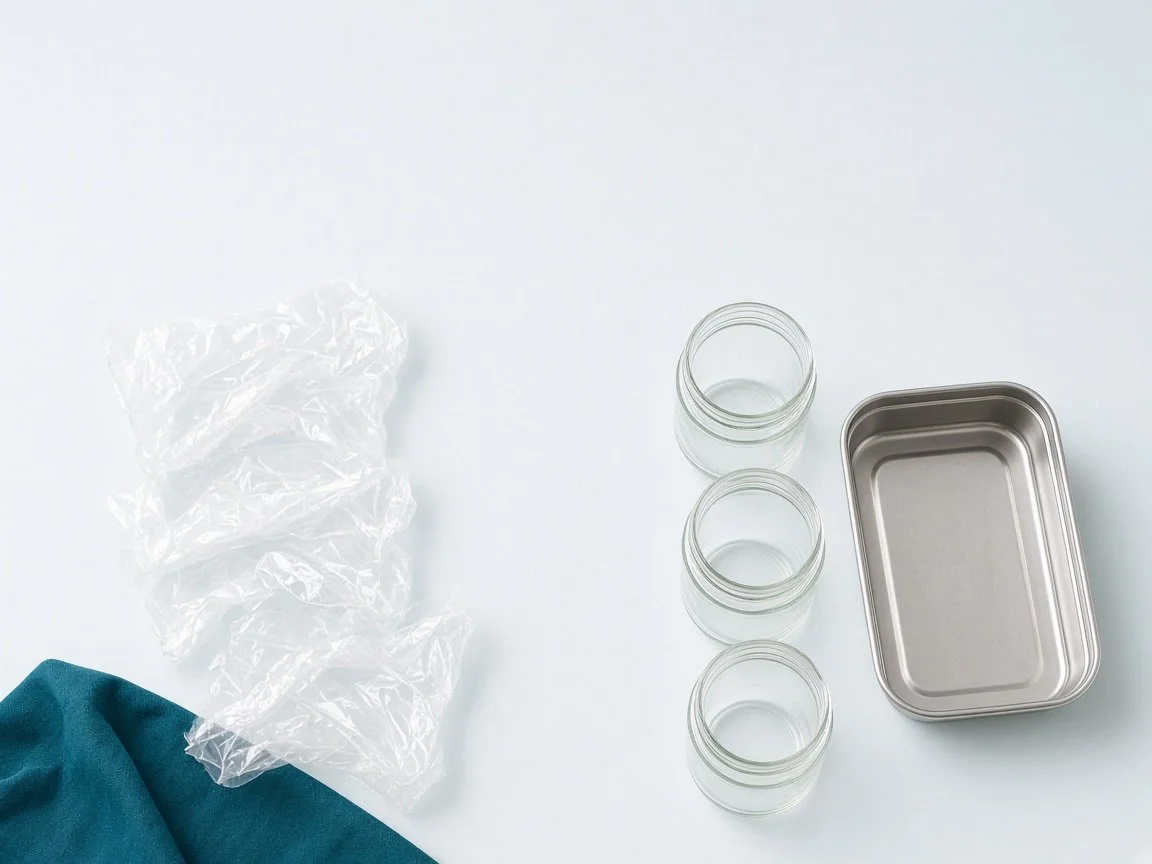
The harm plasticisers do to health should not be overlooked. They are closely tied to our lives and to food. Environmental hormones raise the risk of disease. Use fewer plastic products, and have an in-body Huan Jin An test, so we can together build a healthy living environment.
What are plasticisers?![The harms of plasticisers]()
A “plasticiser” is a chemical additive, used mainly to make plastic softer and easier to bend. Everyday plastic bags, cling film, drinks bottles, and even food-packaging materials may all contain plasticisers, which is why they are also called “plasticizing agents” or “flexibilisers.”
A plasticiser is also a kind of “environmental hormone.” Once an environmental hormone enters the body, it not only interferes with the endocrine system; it is also very likely to cause health problems, such as precocious puberty in children or infertility. So whether it is plastic packaging or food packed in plastic, plasticisers can slip in and affect health.
Where are plasticisers commonly found?![The harms of plasticisers]()

Plasticisers fill our lives. Besides the examples above, they can be seen in a great many everyday products.
| Category | Common items or sources |
|---|---|
| Food-related products |
|
| Drinks and food |
|
| Everyday products |
|
| Industry and building materials |
|
| Medical products |
|
| Please note: plasticisers are readily released in high heat, in grease, and in an acidic environment, so this should certainly be avoided in everyday life. | |
The range of plasticisers’ effects is very wide and covers almost all of everyday life. They appear not only in food packaging; household goods, medical equipment, building materials and personal-care products may all contain them too.
| The process and scope of how plasticisers take effect, and their range | The process of manufacture | Plasticisers enter the body | Plasticisers in everyday life | They start to affect health |
|
|
|
Plasticisers are a kind of environmental hormone. They interfere with the endocrine system, and long-term contact may increase the risk of a hormone imbalance, affecting the reproductive system and developmental health. |
What harm do plasticisers do to the body?
Plasticisers are chemical substances added to plastic products. Long-term exposure to an environment with plasticisers may harm health in several ways.
-
Endocrine disruption
Plasticisers can mimic or suppress the action of natural hormones, leading to abnormal hormone secretion, and then affecting reproductive, developmental and metabolic function. -
Reproductive health
Long-term contact with plasticisers may lead, in men, to a reduced sperm count or poorer quality, and in women may affect the menstrual cycle or lead to infertility. Long-term exposure in children may also lead to precocious puberty. -
Reproductive and developmental problems
A pregnant woman’s contact with plasticisers may increase the risk of abnormal fetal development. Long-term contact in children may affect brain development, leading to inattention or learning difficulties. -
Effects on the immune system
Plasticisers may affect the function of immune cells, weakening immunity and lowering the body’s resistance to viruses or bacteria. Exposure to plasticisers may increase children’s risk of allergic diseases or asthma. -
The risk of chronic disease
Plasticisers interfere with fat metabolism, and may increase the risk of obesity and metabolic disease, and then of diabetes.
Some plasticisers are thought possibly to increase the risk of cancers such as breast cancer and liver cancer. Plasticisers also affect heart function, and raise the chance of high blood pressure or cardiovascular disease. -
Neurotoxicity
Plasticisers affect the health of the nervous system and cause cognitive impairment, including memory, learning and attention in adults and children. They may also be linked to emotional problems such as ADHD, anxiety or depression. -
Harm to the liver and kidneys
Plasticisers affect liver metabolism; long-term exposure may lead to abnormal liver function. Exposure of the kidneys to plasticisers may also increase the risk of impaired kidney function or stones.
Source:Jen-Ai Hospital information section — The harms of plasticisers to the body
People in Taiwan should take the harms of plasticisers seriously![The harms of plasticisers]()
According to a report in the United Daily News: “The concentration of plasticisers in the bodies of people in Taiwan is two to seven times higher than in many advanced countries.” This figure comes from analysing the concentration of phthalate plasticiser metabolites in the urine of 2,000 people aged from seven to ninety-seven.
-
Widespread exposure in everyday life
Young people today often eat out. The plastic bags many shops use for hot soup, cling film wrapped around food and then microwaved, worn non-stick pans and the like are all sources of plasticisers.
Disposable paper tableware is often a composite material; the waterproof plastic film also releases harmful substances at high heat. -
Very few people take steps to guard against the effects of plasticisers
Effective steps to avoid contact include bringing your own environmentally friendly tableware, avoiding utensils that contain plasticisers or are damaged, taking care to use containers and cookware of the right material, and avoiding low-density plastic in contact with hot food. -
How serious the food-safety problem is
Food contamination is already a global problem. One-tenth of the population falls ill because of contaminated food, and more than 40% of food-poisoning cases occur in children under five, showing that vulnerable groups are especially easily affected.
These phenomena are closely linked to the use of plasticisers in food packaging, everyday products and environmental exposure in Taiwan. Plasticisers have been shown to interfere with the endocrine system, affect reproductive health, and even increase the risk of chronic disease and cancer. Awareness of plasticisers should therefore be raised, the use of high-risk products reduced, and food-safety and environmental policy strengthened, to protect everyone’s health.
Facing plasticisers, what should we do?![The harms of plasticisers]()
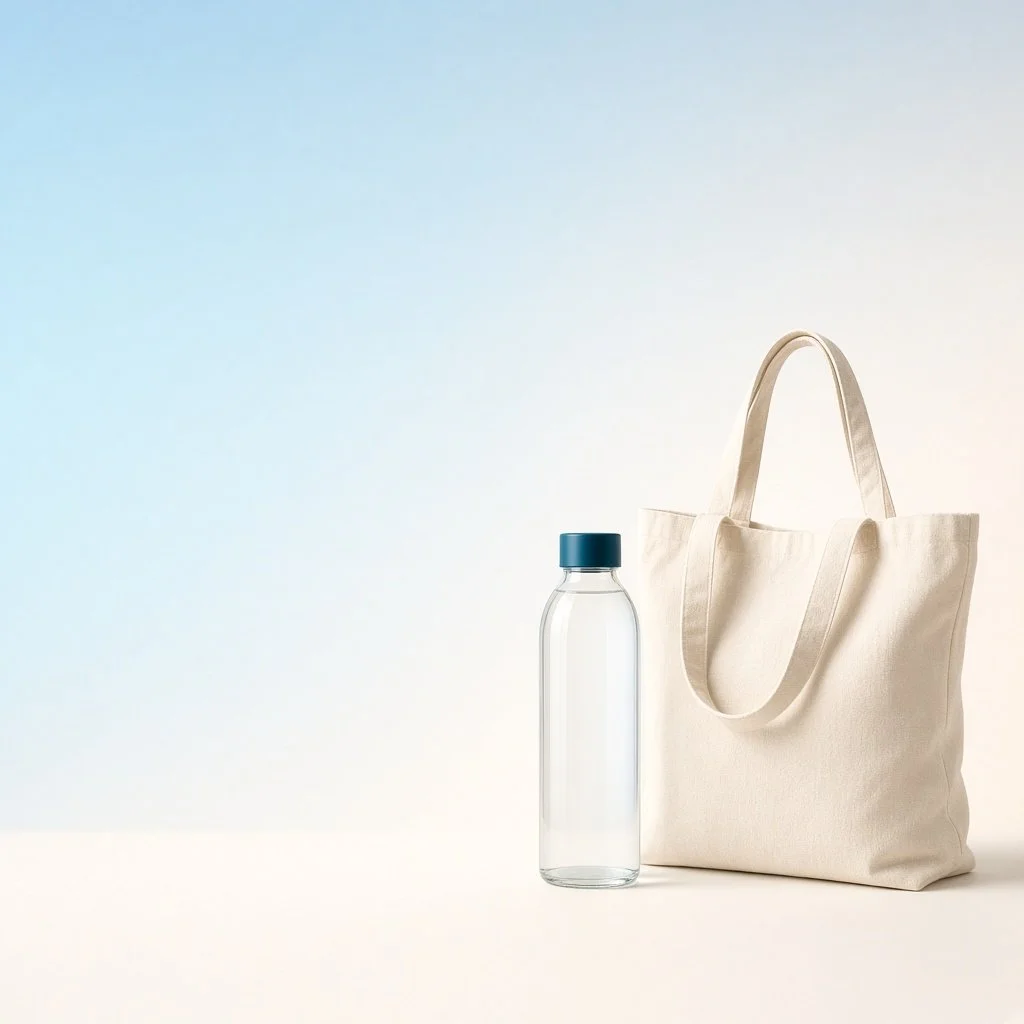
Faced with the potential harms of plasticisers, we can take the following steps. Whether prevention in advance, or testing from a scientific point of view, they can effectively lower the risk of contact and protect our health.
-
Use fewer high-risk containers
Avoid putting hot food in plastic bags: especially soups and oily food, to avoid plasticisers dissolving out.
Don’t use cling film to heat food: take the cling film off before microwaving or heating.
Use fewer paper bowls and boxes for hot food: most disposable paper tableware has a waterproof plastic film, and high heat releases plasticisers. -
Have tests done
Pay attention to food-safety reports and test results: choose food that has already passed a plasticiser test and meets safety standards.
Test yourself: the [Huan Jin An] environmental-toxicant hazard-factor test analyses environmental hormones, toxic elements and nutritional elements. It can help you understand how far the body is affected by environmental hormones and toxic elements, and also assess whether your own nutritional elements are lacking or in excess.
>> Find out more about the [Huan Jin An] environmental-toxicant hazard-factor test >> -
Choose safe cookware and containers
Choosing containers: use food containers made of glass, stainless steel or ceramic.
Avoid damaged melamine tableware or non-stick pans: avoid using low-density polyethylene (LDPE) tableware for hot food. Containers with a coating may also release plasticisers or other harmful substances if the coating is worn. -
Raise food-safety awareness
Eat out less, and prefer food cooked at home, to lower the plasticiser risk in takeaway packaging.
Choose certified safe food packaging and containers, and check whether they meet food-safety standards. -
Improve eating habits
Prefer to buy natural, unprocessed food, to avoid the greater contact processed food has with plasticisers.
Eat fewer fried and high-fat foods, because high heat and fats more readily adsorb plasticisers. -
Actively advocate and support policy
Support government monitoring and strict control of plasticiser content.
Together, tell friends and family about the harms of plasticisers and how to avoid them. -
Bring your own environmentally friendly products
Carry environmentally friendly tableware (such as a glass lunch box and stainless-steel chopsticks), and use less disposable tableware.
Bring your own environmentally friendly cup, and avoid long-term use of disposable plastic cups, to reduce contact with plasticisers. -
Build sound everyday habits
Don’t leave plastic containers exposed to the sun or a high-temperature environment for a long time.
Regularly clear out damaged or already aged plastic products, and replace them in good time with products of a safe material.
Source: https://www.genehealth.com.tw/knowledge/194
Related Services & Prices
If you'd like these cleaned, here are the prices and pickup & delivery options for this type of item. We quote the final price after checking the garment condition at pickup, and only clean once you agree.
Article Comments
No reviews yet