
Comforter / Korean-Style Quilt / Graphene Quilt
Bedding care for comforters, Korean-style quilts and graphene quilts, with the method chosen from the care label, fabric and filling.
Price:NT$350
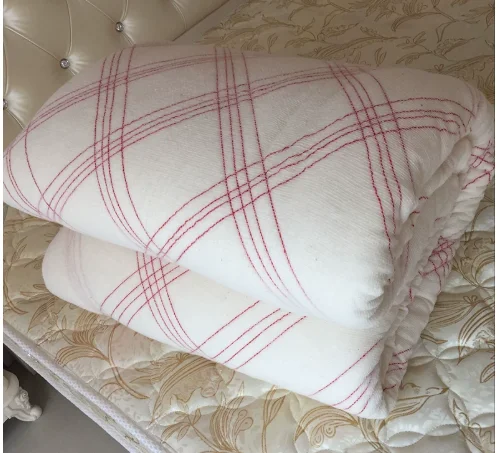
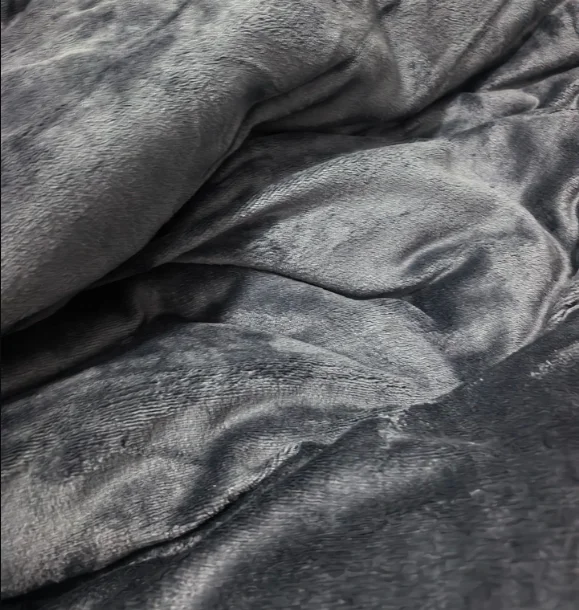
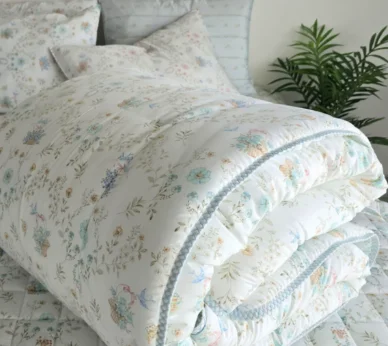
Item description
QUILT & BEDDING CARE
Comforters, Korean-Style Quilts and Graphene Quilts | Professional Bedding Care
A comforter is in contact with your skin for long hours every day, absorbing sweat, skin oils, moisture and fine everyday dirt. But comforters are bulky and full of filling, so the cleaning method can't be judged from the outside, and not every comforter can go through the same process.
Care-label reading · Material check · Stain pre-treatment · Thorough rinsing · Complete drying · Filling redistribution
A Comforter That Doesn't Look Dirty Can Still Be Dirty Inside
Bedding isn't washed every day like clothing, and while in use it keeps absorbing sweat, skin oils, skin flakes, dust and moisture from the air.
Taiwan's climate is especially humid. If a comforter goes a long time without being fully dried, or still holds moisture when it is put away, it can easily develop a stale smell and yellowing, and the risk of mildew goes up.
What really matters in comforter care isn't just whether it has been washed, but whether the inner filling was washed through and rinsed clean, and whether it was dried completely at the end.
Comforters, Korean-Style Quilts and Graphene Quilts: The Product Name Doesn't Tell Us How to Wash It
Regular comforters
What is sold as a "comforter" may be filled with cotton, polyester fiber, blended fibers or other materials. Different fillings absorb different amounts of water, dry at different speeds and can handle different amounts of mechanical action.
Korean-style quilts
"Korean-style quilt" is usually a product-type name, not a fixed fiber content. Some are lighter and thinner, some use polyester filling, and some have quilting, special shell fabrics or decorations, so we still need to read the actual care label.
Graphene quilts
"Graphene" usually means a functional material or finish has been added to the product, but the actual construction may be blended fibers, a coating, a print or a composite material. So we can't assume that every graphene quilt can be washed the same way just because they share the name.
Before Cleaning, We Check These Things
- 01 | Care label: washing, dry cleaning, bleaching and drying instructions, and temperature limits.
- 02 | Shell fabric: cotton, polyester, nylon, cooling fabric, brushed fabric or special functional finishes.
- 03 | Filling: cotton, synthetic fiber, blended fibers or other filling materials.
- 04 | Construction: quilting, stitching, binding, bonding and coatings, and whether the filling has already shifted.
- 05 | Stains: sweat yellowing, urine, drinks, blood, mildew spots or other local soiling need a separate assessment.
- 06 | Current condition: any existing shrinkage, pilling, damage, loose seams, uneven filling or deformation from earlier washing.
EN Laundry's Bedding Care Process
- Inspection at pickup. We check the care label, size, shell fabric, filling, stains, stitching, damage and any special finishes.
- Stain sorting. For sweat yellowing, skin oils, urine, blood, drinks and local soiling, we decide whether spot treatment is needed first, based on what the material can handle.
- Choosing a suitable cleaning process. We adjust the water temperature, detergent, cycle time, load size and mechanical action to the care label and the actual construction, instead of using the same settings for every comforter.
- Controlling the load. A comforter gets much heavier once it absorbs water. If the drum is too small or too full, it won't get clean all the way through, and rinsing and spinning suffer too, so there must be enough room for it to tumble.
- Thorough rinsing. Thick bedding holds detergent in its fibers and filling more easily than ordinary clothing, so we pay special attention to rinsing and add rinse cycles when needed.
- Spin adjusted to weight. A wet comforter is heavy, so we choose spin settings that suit the material, size and construction, to avoid over-stressing the stitching and the filling structure.
- Complete drying. The real risk with bedding is that it feels dry outside while the filling inside is still damp. So we don't judge dryness by the surface; we make sure it is fully dry inside and out.
- Final check. Before packing, we check for odors, remaining spots, how the filling is distributed, the stitching and overall dryness.
Three Kinds of Bedding, Three Different Things to Watch
Regular comforters
The focus is on the type of filling, its weight when wet and how dry it gets. If the filling is real cotton, we pay extra attention to its weight when wet, clumping and drying.
Korean-style quilts
Common styles are lighter and thinner, but the actual fibers and construction vary a lot. We pay special attention to the shell fabric, quilting and filling, and whether it tends to lose its shape after washing.
Graphene quilts
What matters isn't the word "graphene" but where the functional material actually is: in the fibers, the filling, a coating or some other finish. When there is a special finish, we use more conservative cleaning and drying conditions.
Why Can't a Graphene Quilt Be Treated Like a Regular Comforter?
There is no single standard for how graphene bedding is made. Some products add the functional material into the fibers; others may use a coating, a print, a composite fabric or other kinds of finishing.
These finishes may tolerate different numbers of washes, temperatures, detergents, friction and drying conditions, so we never decide that a product can be washed or dried at high temperature just because it says "graphene".
"Graphene" is the name of a function, not complete care instructions.
What really decides the cleaning method is still the manufacturer's care label, the fiber content and how the product is actually made.
Why Do We Pay So Much Attention to the Care Label?
A care label doesn't just say "washable" or "not washable". It also sets limits for washing, bleaching, drying, ironing and professional cleaning.
For example, the number in the washtub symbol is the maximum washing temperature, and one or two lines underneath mean the mechanical action should be reduced. The dots in the drying symbol also indicate different drying temperature limits.
Washing Harder Doesn't Mean Cleaner
Stronger cleaning can also raise the risk of shrinkage, deformation, coating damage, shifted filling or strain on the stitching.
So we balance cleaning results against the safety of the material, rather than simply raising the temperature or lengthening the cycle.
Can Yellow Stains, Urine, Blood or Mildew Be Washed Out?
We can treat them, but whether they come out completely depends on the type of stain, how long it has been there, how stable the dyes are, the type of fiber, and whether oxidation or permanent discoloration has already happened.
Long-standing sweat yellowing, urine stains, mildew spots and yellowing from years of storage in particular are often no longer just dirt sitting on the surface; the fibers or dyes themselves have changed.
We do what we can, but we won't use excessive bleaching or harsh chemicals and sacrifice the bedding itself just to get it "completely white".
Before You Send It: Please Tell Us If
- You have used bleach or a strong stain remover on it yourself
- It has heavy urine, blood, vomit or other body fluid contamination
- It already has mildew or a noticeable musty smell
- The shell fabric has holes, loose threads or loose stitching
- The filling inside has badly clumped or shifted
- It has a special coating, or a cooling, heating or other functional finish
- The care label has been cut off or can't be read
- It has shrunk, lost its shape or faded after an earlier wash
What We Don't Do with Bedding
- We don't put everything called a "comforter" through the same cycle.
- We don't ignore special functional finishes such as graphene, cooling or heating.
- We don't force large bedding into equipment that is too small for it.
- We don't use strong bleaching unsuited to the material just to remove stains.
- We don't decide the whole piece is dry just because the surface feels dry.
- We don't pack it while the inside is still noticeably damp.
Care After You Get It Home
- Keep it dry before use. If the bedding has absorbed moisture from the air, air it out in a ventilated spot before using it.
- Avoid long-term damp storage. Make sure the comforter is completely dry before storing it, and keep the closet itself from getting too humid.
- Don't leave stains sitting. The longer urine, blood or drink stains are left, the harder they usually are to treat fully.
- Don't use bleach on your own. Different shell fabrics, dyes and functional finishes vary widely in how well they tolerate bleach.
The Real Challenge with Bedding Is Its Thickness and Inner Layers
Cleaning the surface of clothing is relatively easy, but a comforter has a large amount of filling besides the shell fabric. Whether the detergent is fully carried away, whether rinsing is complete and whether the inside is fully dry all directly affect how the finished piece smells, feels and keeps.
That's why we judge comforters, Korean-style quilts and graphene quilts individually by their actual material and construction, instead of using one fixed washing method.
Not Sure What Your Comforter Is Made Of?
Take photos of the whole comforter, the care label and the stained areas and send them to us, and we can help with an initial assessment.
Pricing
From NT$350. We check the item and confirm the quote before cleaning.
Payment: cash, bank transfer, LINE Pay or account credit.
Pickup & Delivery
Door-to-door pickup & delivery covers all of Taoyuan City and Linkou District (New Taipei City); door-to-door pickup and delivery is also available in Taipei City, New Taipei City, Hsinchu City and Hsinchu County. The rest of Taiwan is served by shipping. You can also drop items off at our shop: 1F, No. 30, Nanchang Rd., Luzhu Dist., Taoyuan City (phone 03-311-1594).
At pickup every item is checked and photographed, and each one gets a garment tag so you can track it.
How to Book
Book via LINE (you can send photos first for a quote), or add the item to My List and check out on the website.
Read before you send items
- Down Comforter & Quilt CleaningNT$150–1,300Down comforters, cotton quilts, silk duvets, blankets
- Pickup & Delivery Areas and FeesBook a time on LINE; we count your items with you at your door
- Laundry Price ListFrom NT$60Per-item dry cleaning & washing, every item priced
We quote the final price after checking the garment condition at pickup, and only clean once you agree. Not sure how it should be cleaned? You can send us a photo on LINE。
Others Also Ordered
-
-
Pillow
NT$250 -
Bedding 4-Piece Set
NT$250 -
Bag Wash (up to 6 kg)
NT$250 -
-
-
Down Jacket
NT$250
Read Before Ordering: Care Notes & CompensationTap to expand
Please take a minute to read this before sending items. We follow the Ministry of Economic Affairs "Mandatory and Prohibited Provisions of Standard Form Contracts for Laundry Services"; anything not covered here also follows those rules. Full text and our shop terms: Standard Form Contract for Laundry Services
1. Before sending items
Empty all pockets: Please remove cash, ID cards, jewelry, earphones, receipts and the like. A pen or lipstick left in a pocket can stain a whole load during cleaning. Anything we find in your items will be kept safe and returned to you.
Tell us about known flaws: If an item already has tears, loose seams, special stains, fading, loose buttons, heavy yellowing or moth holes, please tell the counter or let us know on LINE when you hand it over. Under the rules, if you knew about such a problem and did not tell us, our liability for damage it causes or worsens may be reduced or waived.
Inspection at pickup: We check items promptly after we receive them, tell you about any of the problems above, and note them on your laundry receipt or order.
Valuable items or items of special significance (e.g. designer bags, fine leather, tailored suits): please tell us and declare the value before sending them. We can agree a separate cleaning fee and compensation amount in advance; we recommend our Luxury Care service.
2. Cleaning results and special materials
About difficult stains: For sweat, blood, ink, juice, paint, old yellow stains or mildew, we do our best with professional enzymes and stain removers on the affected area. If a stain is very old, or the fibers have already deteriorated or taken on the color, we cannot promise it will come out completely.
Special materials:
- Unstable or non-colorfast dyes: if a garment's dye is not colorfast, it may fade slightly after cleaning.
- Coatings / PU faux leather / waterproof seam tape: these materials have a limited lifespan (usually 2–3 years) and may peel or lose seam tape during cleaning due to hydrolysis and aging. If peeling has already started, it will usually get worse after cleaning, so please keep this in mind.
We explain first and clean only with your consent: If we judge that an item's material, accessories or stains could be damaged by cleaning, we first tell you what may happen. Special treatment is quoted in advance and we clean only if you agree; you can also choose not to have it cleaned. If the damage after cleaning goes beyond what we told you, we compensate under the rules: the usual caps do not apply, and the amount is at least twice the total of the cleaning fee and the special treatment fee.
We follow the care label: We clean and press according to the care label. If there is no label, more than one label, or we believe the label is wrong, we tell you first and decide the cleaning method only with your agreement.
3. Ready date, pickup and storage
Ready date: Items are ready by the date we agree with you at drop-off; if no date is agreed, the rules require us to finish within 15 days of receiving them. If we are more than 5 days past that deadline, the cleaning fee is halved; more than 30 days past it, cleaning is free.
Collect on time: When your items are ready, we notify you on LINE (members without LINE get a text message). Collect them with your laundry receipt or order number, or contact us to have them delivered.
Free storage: We store your items free for one month from the agreed ready date (or, if no date was agreed, the 15th day after we received them) or the day we notify you they are ready, whichever is later.
Late storage fee: After the free storage period, the fee is 1% of the item's cleaning fee per item per day, charged for no more than 3 months.
Items left for a long time: If items are still not collected after the free storage period, we will notify you by LINE, text message or phone and give you at least 6 months to collect them. If they are still not collected by then, we will remind you again and give you a further deadline to pay. Only if the amount is still unpaid by that deadline may we, under the rules, recover it from the items we are holding. Items are never treated as abandoned just because they are overdue.
Lost receipt: Please tell us right away. If you do not have the receipt or someone collects for you, please describe what was sent for cleaning; we will ask for ID and a signature.
4. Checking items after pickup and free re-cleaning
Check on the spot: When collecting, please check on the spot that the number of items and accessories (e.g. belts, fur collars, liners) are complete, and check the cleaning quality.
Check promptly: Please also check items delivered to you as soon as possible and tell us right away about any problem. Under the rules, if you delay and do not tell us, you cannot claim compensation.
Re-cleaning window: If you find an item not fully clean or poorly pressed, bring it back to the shop with your receipt within 7 days of pickup (with our laundry tag still attached and unworn), and we will redo it free of charge.
Free re-cleaning is an extra service from our shop and does not affect your right to claim compensation under the rules.
5. Compensation for loss or damage (Ministry of Economic Affairs rules)
We carry liability insurance. If an item is lost or damaged, compensation follows the rules below:
- Lost or cannot be returned: If this is our fault and the item's value can be shown with an invoice or other receipt, compensation is based on that value, taking depreciation into account. Without a receipt, compensation is 20 times the cleaning fee (up to NT$15,000) during cleaning and the free storage period, or 10 times the cleaning fee (up to NT$10,000) after the free storage period.
- Damage: We compensate the loss in value, with the amount agreed between us. If we cannot agree, the rules cap it at 15 or 10 times the cleaning fee depending on the kind of fault, and never more than the replacement price. You can still take the item back after compensation.
- Severe damage counts as loss: An item is compensated as a loss if it suffers severe shrinkage, deformation or other severe damage that makes it unfit to wear; dye transfer, color change or other serious loss of appearance that makes you unwilling to wear it; damage so severe that it no longer works as designed; or any other major damage.
- Discounted cleaning fees: Compensation is still calculated on the regular, undiscounted price. Valuable items with a declared value and a separately agreed compensation amount follow that agreement.
Notes on Special Services
1. Down comforters / large bedding
Please check the bedding's care label when you buy it. Some natural silk and pure wool comforters are dry clean only or must not be washed. We never vacuum-compress animal fibers, to avoid physical damage to fibers and feather quills (down itself can be compressed).
2. Pet items
For hygiene, please remove loose hair and waste from pet clothing and beds before sending them in. We wash pet items separately using pet-specific disinfectant and dedicated machines, so you can send them with peace of mind.